Research plan & recruitment
We turn your business questions into research goals and recruit participants who match your real audience.
- Stakeholder interviews
- Research questions and method choice
- Participant screening and scheduling

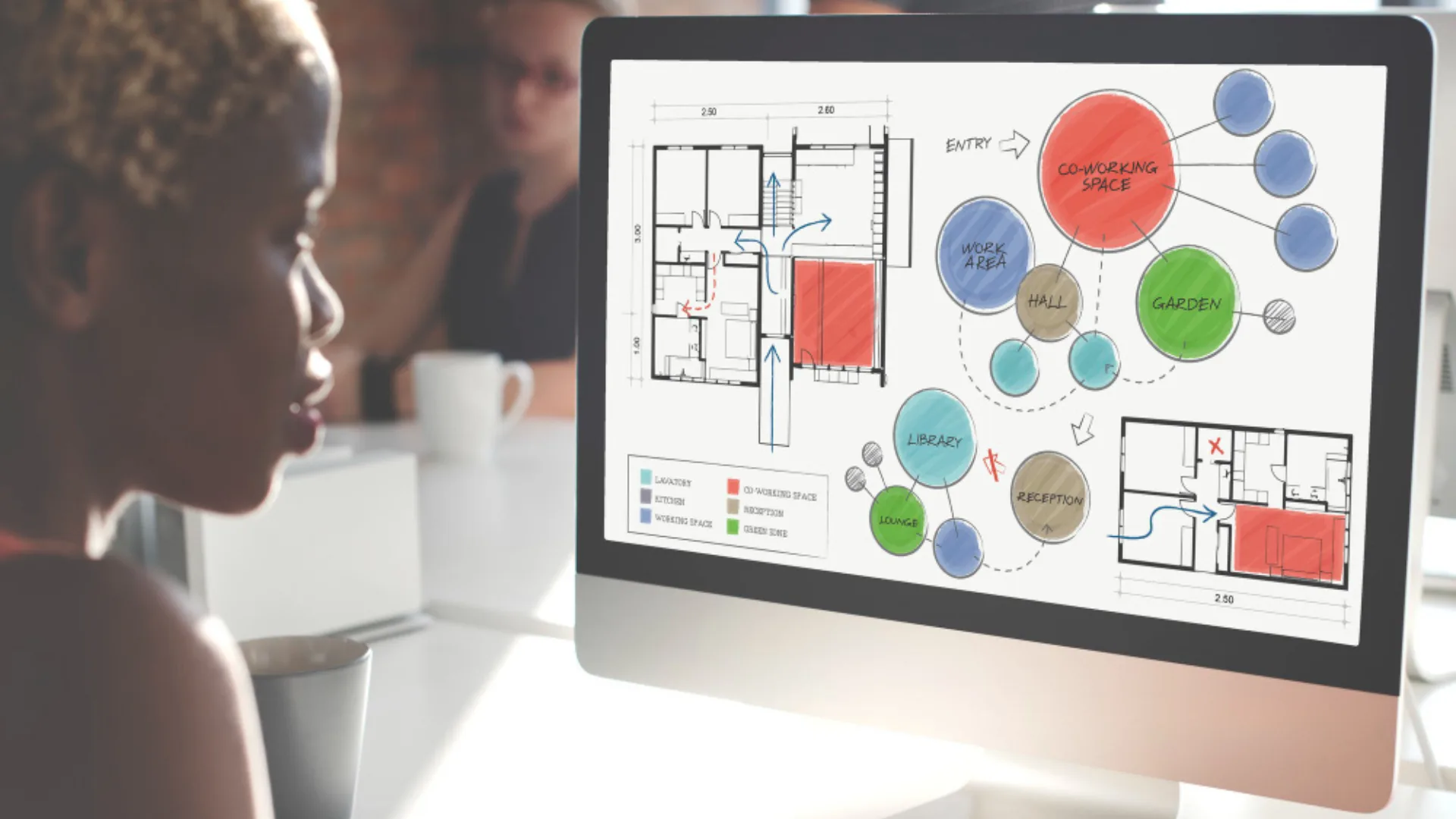
We turn your business questions into research goals and recruit participants who match your real audience.
We learn how your users think, what they need and the context they are in when they use your product.
Participants attempt real tasks on your site or prototype while we observe where they succeed, hesitate and fail.
You get clear, ranked findings and practical recommendations your designers and developers can act on.
The detail
UX research is the practice of learning, directly from real people, how they understand and use your website, app or service. Usability testing is one of its most practical methods: you give participants realistic tasks, such as finding a product, booking an appointment or completing a form, and observe where they succeed, hesitate or give up. For Kenyan businesses, NGOs, schools and startups, it is the fastest way to stop guessing and start fixing the problems that cost you customers.
Research is valuable at any stage: before a redesign to understand what is broken, during design to test prototypes, and after launch to diagnose why performance is lower than expected. It sits alongside our other UI/UX design and brand strategy services.
We start with stakeholders to understand business goals, known problems and the decisions the research must inform. A good research question is specific: "Why do people abandon registration at the ID step?" is more useful than "Is our website good?" We then choose the right mix of methods and agree who we need to speak to.
Testing with the wrong people produces misleading results. We screen participants to match your real audiences by role, location, device, language and familiarity with your product. For many Kenyan audiences that means Android users on mobile data, a mix of English and Swahili speakers, and people outside Nairobi as well as inside it.
Depending on the goals, we run user interviews, review analytics and heatmaps, conduct an expert heuristic review and run moderated usability sessions, either in person in Nairobi or remotely. Wherever possible participants use their own phones and connections, because a site that works on a fast office laptop can fail on a budget smartphone. We ask people to think aloud, avoid leading them and record sessions with consent.
We look for patterns across sessions rather than reacting to one person's comment. Each issue is rated by severity and frequency, then paired with a recommended fix and a rough effort level. We present findings in a playback workshop with short video clips, which tends to settle internal debates far faster than slides alone.
The real measure of usability testing is what changes afterwards: higher task completion, fewer support calls, fewer form abandonments and better conversion on key journeys. We help you define these metrics before research begins, so improvements after fixes can be tracked. When it is time to redesign, findings feed straight into our UI design and prototyping work.
Look for a team that can explain why it chose each method, shows you real session clips rather than only summaries, and turns findings into prioritized, buildable recommendations. Ask how participants are recruited and screened, how consent and recordings are handled, and whether the researchers understand the technical constraints of fixing what they find. UX research in Kenya also needs local judgment: knowing when to test in Swahili, on low-end devices or with users outside major towns.
For the design principles that research often reinforces, read our article on design best practices for websites that work.
Tell us which journey is underperforming or which decision you are struggling to make. Book a discovery call and we will recommend a research approach that fits your timeline and budget, from a focused round of usability testing to a broader discovery study.
FAQ
Can't find your answer? Ask our team — we reply within one business day.
It depends on the number of participants, how hard they are to recruit, whether sessions are in person or remote, and how many journeys we test. A focused round on one key journey is much smaller than a broad discovery study. We recommend a scope and give a fixed quote after a discovery call.
For finding the major problems in a specific journey, a small group of well-chosen participants per audience type usually reveals the most serious issues, and running several small rounds is better than one large one. If you need statistically reliable numbers, such as comparing two designs, we use larger samples and quantitative methods instead.
Yes. Remote sessions let us include participants across Kenya, and we can run sessions in English, Swahili or a mix depending on your audience. We screen participants to reflect the devices, connections and language preferences of the people who actually use your product.
Yes, and it is one of the best times to test. Clickable Figma prototypes let participants attempt real tasks before development starts, so problems are fixed when changes are cheap. We often combine prototype testing with our UI design work for new products and redesigns.
It depends on the methods, how many participants are needed and how quickly they can be recruited, which is often the main factor. A focused usability study moves faster than a multi-method discovery project. We share a timeline covering planning, recruitment, sessions and reporting after the discovery call.
You receive a findings report with issues ranked by severity and frequency, clear recommendations and quick wins, session recordings or highlight clips, and a playback workshop with your team. The goal is a practical action list your designers and developers can start on immediately, not a long document nobody reads.
Why Venda for ux research & testing
We are researchers who also design and build, so our recommendations are practical rather than academic. We test with Kenyan users in realistic conditions, on their own phones and connections, in English or Swahili. Findings arrive ranked by impact and effort, with clips your team can watch, so decisions move forward instead of stalling in debate. When you are ready, the same team can implement the fixes.