
Kenyans are buying more online every year, from fashion and electronics to groceries and beauty products. If you are ready to start an online shop in Kenya, this step-by-step guide covers what to sell, which platform to choose, how to accept M-Pesa, how to handle delivery and how to get your first customers.
Step 1: Decide what you will sell and to whom
Successful online shops are specific. "We sell everything" is hard to market. "Ankara workwear for Nairobi professionals" or "organic skincare made in Kenya" is easy to explain, easy to advertise and easy to rank for. Ask yourself:
- Who is my ideal customer and where do they shop today?
- Why would they buy from me instead of a marketplace?
- Can I deliver profitably at my price, after delivery and payment fees?
Step 2: Register the business and get the basics in place
Register your business name or company, get a KRA PIN and open a business bank account and M-Pesa till or paybill. Check your tax obligations with KRA, including electronic invoicing; we cover this in eTIMS for online businesses. You will also collect customer data, so read our Data Protection Act website compliance guide.
Step 3: Choose your platform
You have three main routes:
- Marketplaces such as Jumia let you start fast, but you pay commission and do not own the customer relationship.
- Social commerce through Instagram, TikTok and WhatsApp is great for discovery, but it is hard to scale manually.
- Your own online shop on WooCommerce, Shopify or a custom build gives you control, your own customer list and lower long-term costs.
Most growing brands use all three, with their own website as the home base. Compare platforms in Shopify vs WooCommerce in Kenya.
Step 4: Set up payments customers trust
In Kenya, M-Pesa is non-negotiable. The smoothest experience is STK push: the customer enters their phone number and approves the payment on their phone without leaving your checkout. Add card payments if you sell to customers abroad or corporate buyers. Our M-Pesa payment integration guide explains STK push, paybill and till options, and our M-Pesa integration service handles the Daraja setup for you.
Step 5: Plan delivery and returns
- Offer clear delivery zones and prices: Nairobi CBD, Nairobi environs and upcountry.
- Partner with reliable riders or courier services, and consider pick-up points.
- Show delivery times on product pages and at checkout.
- Publish a simple return and exchange policy.
Unclear delivery costs are one of the top reasons Kenyan shoppers abandon their carts.
Step 6: Build product pages that sell
Your product pages do the selling when you are asleep. Each one needs clear photos from several angles, honest descriptions, sizes and specifications, price, stock status, delivery information and reviews. Read our guide to high-converting product pages for a full checklist.
Step 7: Make the shop fast on mobile
Most of your customers will shop on a phone, often on mobile data. Compress images, keep the checkout to as few steps as possible and test on a mid-range Android phone. See mobile-first website design.
Step 8: Launch and market your shop
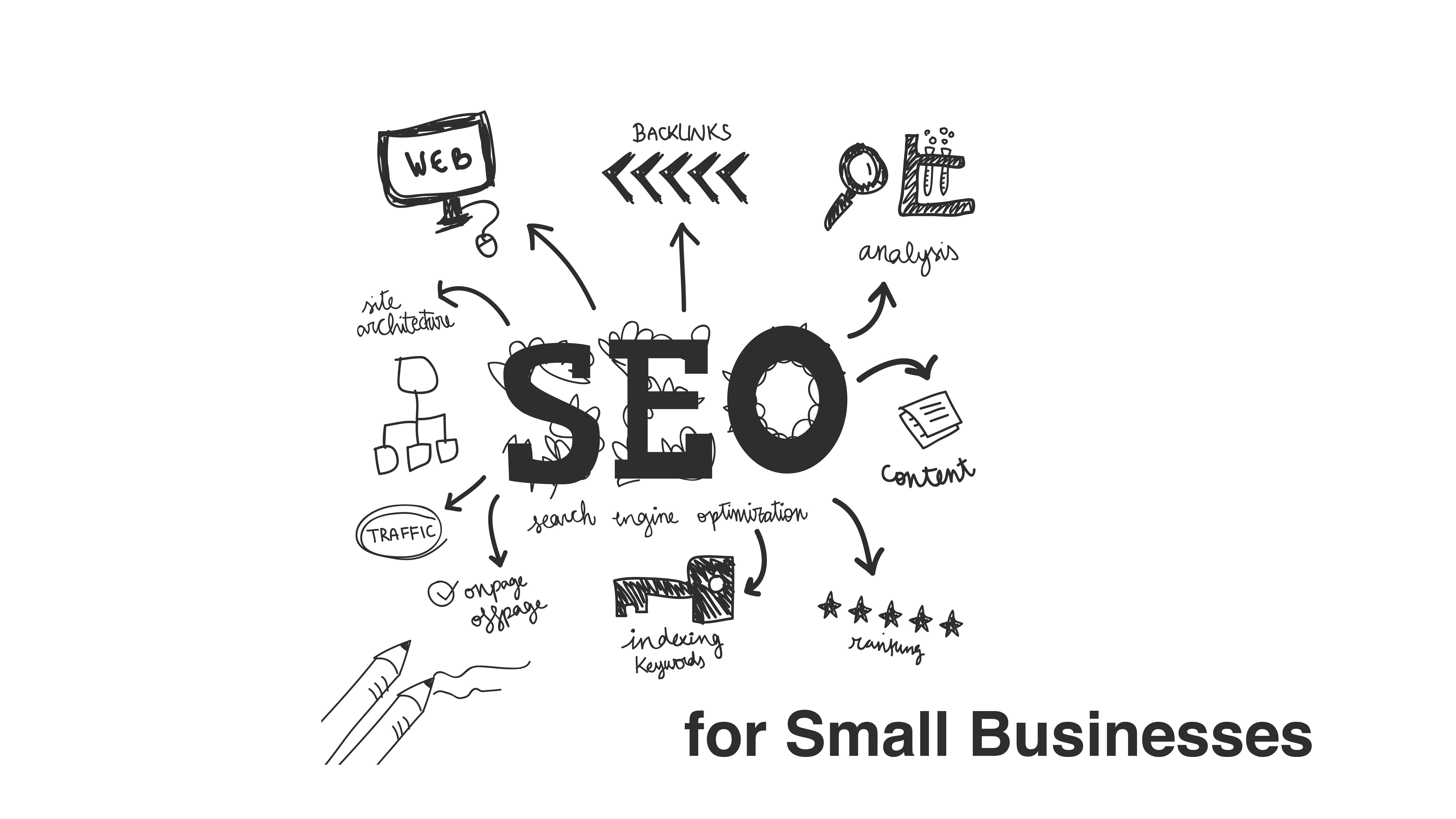
- Google: optimise category and product pages for search (see SEO for small businesses in Kenya) and run Shopping or Search ads (see Google Ads in Kenya).
- Social media: short videos, behind-the-scenes content and influencer partnerships.
- WhatsApp and email: build a list and share new arrivals and offers; see email marketing in Kenya.
- Reviews: ask every happy customer for a review.
How much does it cost to start an online shop in Kenya?
A professionally built shop with M-Pesa checkout typically starts from around KES 150,000, with larger catalogues and custom features costing more. Add stock, photography, delivery and marketing. We break down the numbers in website cost in Kenya.
Real example: a Kenyan fashion brand online
We built Vee Wears a premium fashion shop with smooth M-Pesa checkout. Read how we built a fashion e-commerce website in Kenya or see the full Vee Wears case study.
Your launch checklist
- Test a full order on a phone with a real M-Pesa payment, then refund it.
- Check that order confirmation emails reach Gmail inboxes, not spam.
- Confirm delivery fees and zones calculate correctly at checkout.
- Publish privacy, returns and delivery policies.
- Set up Google Analytics 4 and Search Console.
- Add your shop to your Google Business Profile and social profiles.
- Prepare launch content: photos, short videos and an offer for your first customers.
Track the numbers that matter
From day one, watch conversion rate (visitors who buy), average order value, cart abandonment, cost to acquire a customer and repeat purchase rate. These five numbers tell you whether to fix the website, the offer or the marketing.
Key takeaways
- Choose a specific niche and customer before you choose a platform.
- M-Pesa STK push is the expected way to pay.
- Clear delivery fees and a simple returns policy reduce abandoned carts.
- Your own shop, social media and marketplaces work best together.
Frequently asked questions
Do I need a licence to sell online in Kenya?
You need the same registrations as any business selling those products, plus any sector-specific licences. Confirm your obligations with the relevant authorities.
Can I start an online shop with a small budget?
Yes. Start with a focused catalogue, a simple shop and organic marketing, then reinvest as sales grow.
How long does it take to build an online shop?
Typically 6–10 weeks for a professionally designed shop, depending on catalogue size and integrations.
Should I hold stock or use pre-orders?
Pre-orders and made-to-order items reduce the cash tied up in stock, which suits new brands testing demand. Be clear about delivery times on the product page. Hold stock for your best sellers once you know what moves.
Ready to sell online?
We design and build online shops for Kenyan brands, with M-Pesa built in from day one. Explore our e-commerce development service or book a free discovery call.


Join the conversation 0
Have a question, a different take or a result of your own to share? Leave a comment. Our team reads every one and replies where we can help.
No comments yet. Start the conversation.
Your question might be the one other readers are wondering about too.
Write the first comment