Use-case & data assessment
We define what the system should answer or do, review your documents and data sources and identify access and privacy requirements.
- Use-case definition
- Data source inventory
- Access and privacy requirements
We define what the system should answer or do, review your documents and data sources and identify access and privacy requirements.
We design the retrieval pipeline and choose models from OpenAI, Anthropic, Google or open-source options based on quality, cost and data handling.
We build document ingestion, search, answer generation with citations and the interface, whether a standalone tool or features inside your app.
We test answer quality against a question set, monitor usage and costs, and keep the index current as documents change.
The detail
LLM integration means connecting a large language model, the technology behind tools like ChatGPT, Claude and Gemini, to your own systems and data so it can do useful work inside your organization. At Venda Technologies we build custom LLM integrations for Kenyan businesses, NGOs, professional firms and software teams: internal knowledge assistants that answer from your documents, and AI features built directly into your web applications.
Most of these projects rely on retrieval-augmented generation, usually called RAG. Instead of expecting the model to know your policies, RAG searches your documents for the most relevant passages and gives them to the model along with the question. The model writes an answer based on that material and cites where it came from, so users can check it.
A private assistant that staff use to ask questions like "What is our leave policy for contract staff?" or "Which past proposals covered water projects in Kisumu?" and get an answer with links to the source documents. Common sources include HR and finance policies, operating procedures, project reports, product manuals, contracts and past proposals.
For software products and customer portals, we add AI capabilities such as natural-language search, summarization of records, draft generation, classification and structured data extraction. These are built into your existing application, often alongside our web application and portal development work, and use the APIs from OpenAI, Anthropic and Google.
Where a public assistant needs to search a large library, such as product catalogues or technical documentation, we use the same RAG approach. For simpler FAQ-style needs on your website or WhatsApp, our AI chatbot development service is usually a better fit.
OpenAI, Anthropic and Google each offer capable models through business APIs, with different strengths, pricing and data handling terms. Open-source models can also be hosted on infrastructure you control where data requirements are strict, though they need more engineering and hosting effort. We compare options against your use case and design a model-agnostic layer so you can switch providers without rebuilding the application.
Personal data in your documents matters. The Kenya Data Protection Act, 2019 places obligations on organizations to protect personal data, limit its use to legitimate purposes and consider where it is transferred. We help by excluding sensitive documents that don't need to be included, applying access controls, using provider settings that limit data retention and documenting data flows so your data protection officer or legal adviser can review them.
A RAG system is only useful if people trust it. We track:
Not sure where to start? Our AI strategy and readiness service helps prioritize use cases, and you can see the full range of our AI integration and automation services.
Tell us which documents your team searches most and the questions they keep asking. We will outline how an LLM integration could help and what it would take. Book a discovery call to begin.
FAQ
Can't find your answer? Ask our team — we reply within one business day.
Retrieval-augmented generation (RAG) searches your own documents for relevant passages and gives them to an AI model when answering a question. It lets the model answer from your up-to-date information, cite sources and avoid relying on general knowledge that may be wrong or outdated for your organization.
It depends on the number and condition of your data sources, access control needs, whether it is a standalone tool or built into your app, and expected usage, which drives AI API and hosting costs. We quote after a discovery call and separate build costs from monthly running costs.
Business API offerings from major providers generally state that customer data is not used for model training by default, but terms differ and change, so we review the current terms with you. We also limit what data is sent, configure retention settings where available and consider self-hosted models for stricter needs.
Yes, and it should. We record permissions for each document and filter search results by the user's role before anything reaches the AI model, so staff only get answers drawn from documents they are already allowed to access, and every query is logged.
Each has strengths, and the best choice depends on your task, language needs, cost and data terms. We test candidates against your own questions rather than relying on general benchmarks, and design the system so you can switch providers later.
It depends on how many sources you have, how organized the documents are and the permission rules involved. A pilot over one well-organized document set is much quicker than a company-wide rollout. We give a timeline after reviewing your data in discovery.
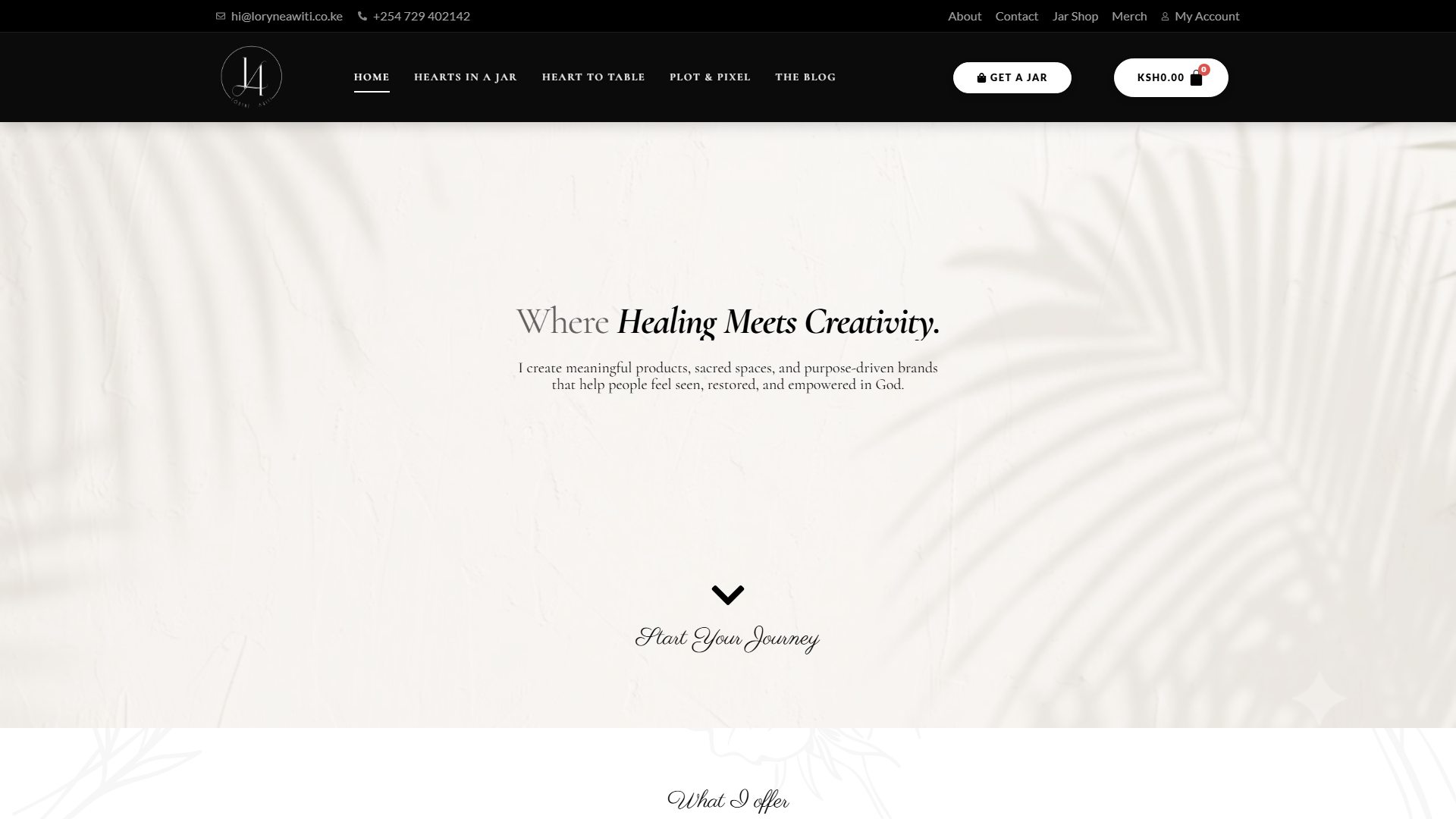
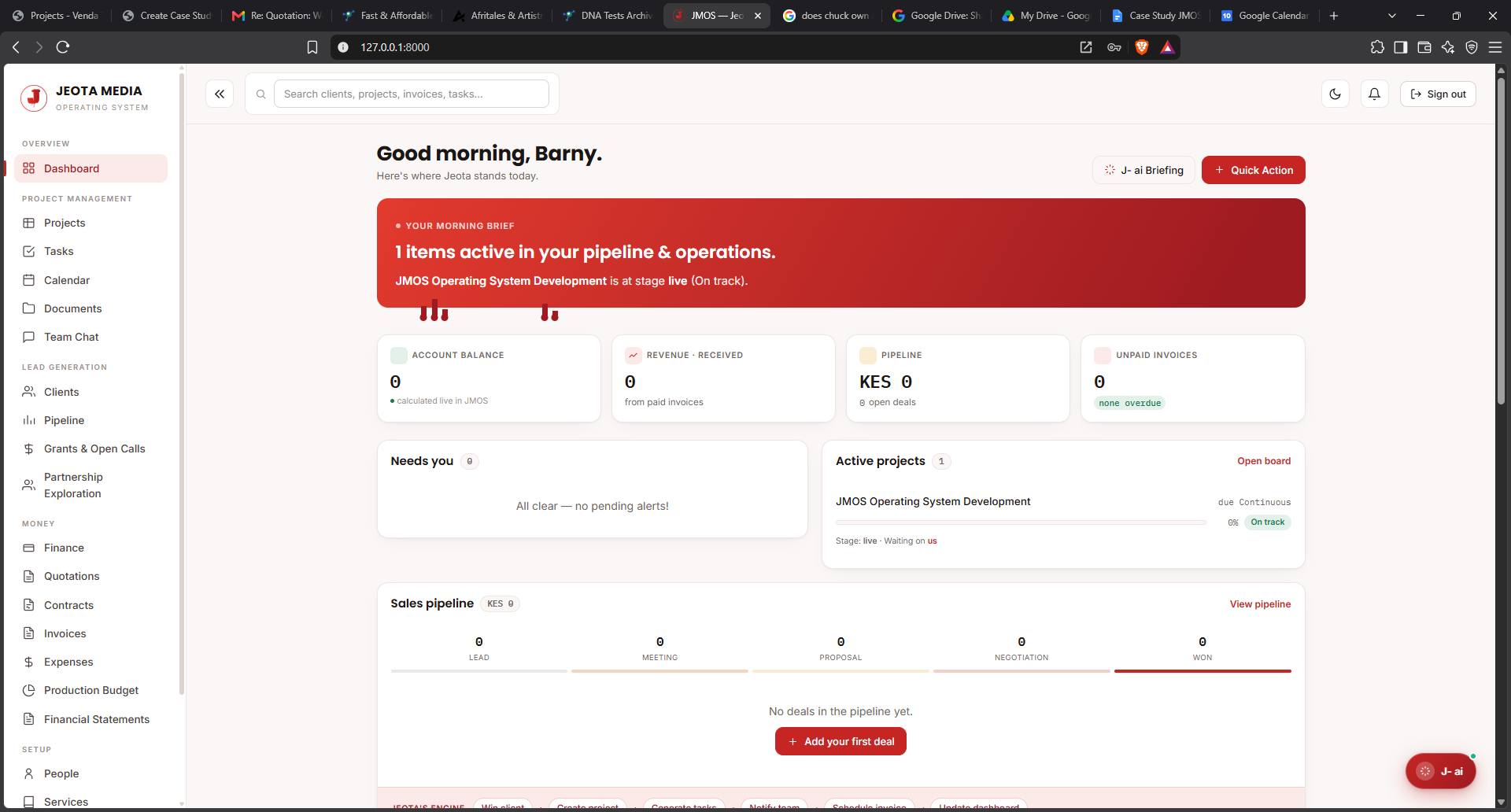
Why Venda for custom llm integration & rag
We build production web applications, so our AI features come with the parts that demos skip: authentication, permissions, logging, error handling and cost control. We work across OpenAI, Anthropic and Google APIs and design so you can switch models later. We measure answer quality with real questions from your team, and we are clear with you about what the system can and cannot reliably do.