AI readiness & use-case audit
We interview teams, review workflows and identify where AI could genuinely save time or improve quality.
- Department-by-department interviews
- Current tool and data review
- Prioritized use-case shortlist
We interview teams, review workflows and identify where AI could genuinely save time or improve quality.
We turn the shortlist into a phased plan with owners, effort estimates and a clear way to measure each pilot.
We draft a plain-language policy covering approved tools, data handling, review of outputs and accountability.
Practical sessions built around your team's real tasks, not generic demos.
The detail
AI strategy consulting helps your organization decide where artificial intelligence is worth using, how to use it safely, and how to get your people confident with it. For organizations in Kenya, AI strategy consulting is less about grand transformation programs and more about practical questions: Which of our tasks could AI genuinely help with? Which tools should staff be allowed to use? What happens to client data when someone pastes it into a chatbot? And how do we train a team with very different comfort levels?
This service suits SMEs, schools, NGOs, professional services firms and growing companies where leadership wants a clear plan before spending on AI projects, or where staff are already using AI informally and someone needs to put structure around it.
We speak with leadership and with the people doing the work: finance, operations, sales, customer service, communications and programs. We look at the tasks that take the most time, the documents that pile up, the questions customers repeat, and the tools and data you already have. We also ask how people are using AI today, because there is almost always more informal use than leadership realizes.
Every idea goes on a list, then gets scored on value, effort, risk and data readiness. Typical candidates include drafting and summarizing, answering repetitive customer questions, extracting data from documents, triaging leads and inquiries, and preparing internal reports. Some ideas will be quick wins using tools you already pay for. Others need custom work, such as AI chatbots trained on your own content or AI workflow automation that connects your systems. And some ideas are not worth doing yet, which is a useful result in itself.
The shortlist becomes a phased roadmap. Each pilot gets an owner, a rough effort estimate, the data it needs, and a clear measure of success agreed before anything is built, such as time saved per week, response times or error rates. That way you can judge each pilot on evidence rather than enthusiasm.
An AI usage policy doesn't need to be long. It needs to be clear enough that a new staff member knows what's allowed. We draft a plain-language policy covering which tools and account types are approved, what information must never be entered into AI tools, how AI output should be checked before it reaches a customer or a report, who is accountable, and how new tools get approved.
Data protection is a central part of that conversation. Kenya's Data Protection Act, 2019 sets out general obligations for organizations that handle personal data, including processing it lawfully and for specified purposes, keeping it secure, respecting the rights of the people it relates to, and taking care when data is transferred outside Kenya. It is overseen by the Office of the Data Protection Commissioner. Sending customer or staff information to an AI provider can touch several of these areas. We highlight where your AI use raises data protection questions and build sensible safeguards into the policy, but we are not lawyers: we recommend you confirm the specific obligations for your organization with a qualified legal adviser.
Our workshops are hands-on and built around your team's real work. Finance staff practice summarizing reports and reconciling notes; communications teams practice drafting in your brand voice in English and Swahili; managers practice turning meeting notes into action lists. Everyone learns the same core habits:
We can run sessions in person at your Nairobi office or online for distributed teams, and we leave behind prompt templates and a short reference guide.
At the end of the engagement you should have a prioritized use-case list, a roadmap with owners and success measures, an approved AI policy, and staff who use AI more confidently and more carefully. Over the following months, success shows up in the pilots: hours saved, faster turnaround and fewer errors, measured against the baseline you recorded at the start.
If you want a realistic view of where AI fits in your organization, and a team that knows how to use it well, book a discovery call. We'll discuss your goals, your current use of AI and the right scope for an audit, policy or training program.
FAQ
Can't find your answer? Ask our team — we reply within one business day.
We interview leadership and staff, review key workflows, tools and data, and look at how AI is already being used informally. The result is a ranked list of use cases scored on value, effort and risk, plus a phased roadmap showing which pilots to start with and how to measure them.
Yes, even a one-page version helps. Without one, staff decide individually what data to paste into AI tools and whether to check the output. A short policy covering approved tools, data that must stay out, review of AI output and accountability reduces risk without slowing people down.
It can. If staff enter personal data about customers, students, beneficiaries or employees into AI tools, your general obligations under the Act on lawful processing, security, individuals' rights and transfers outside Kenya may apply. We flag these areas in your policy, but you should confirm specifics with a qualified legal adviser.
It depends on the size of your organization, how many departments are involved, whether you need a full audit and roadmap or only a policy and workshops, and how many training sessions you want. We quote after a discovery call once we understand your goals and team.
Yes, most of the people we train are not technical. Sessions focus on everyday tasks like drafting, summarizing and research, using your own documents and examples. We cover how to check AI output and what data to keep out of AI tools, so staff build good habits as well as skills.
Yes. Alongside strategy and training, we build AI chatbots, workflow automations, document processing and custom AI features. That said, the roadmap is yours to act on however you choose, and we will recommend off-the-shelf tools where they are the better fit rather than custom development.
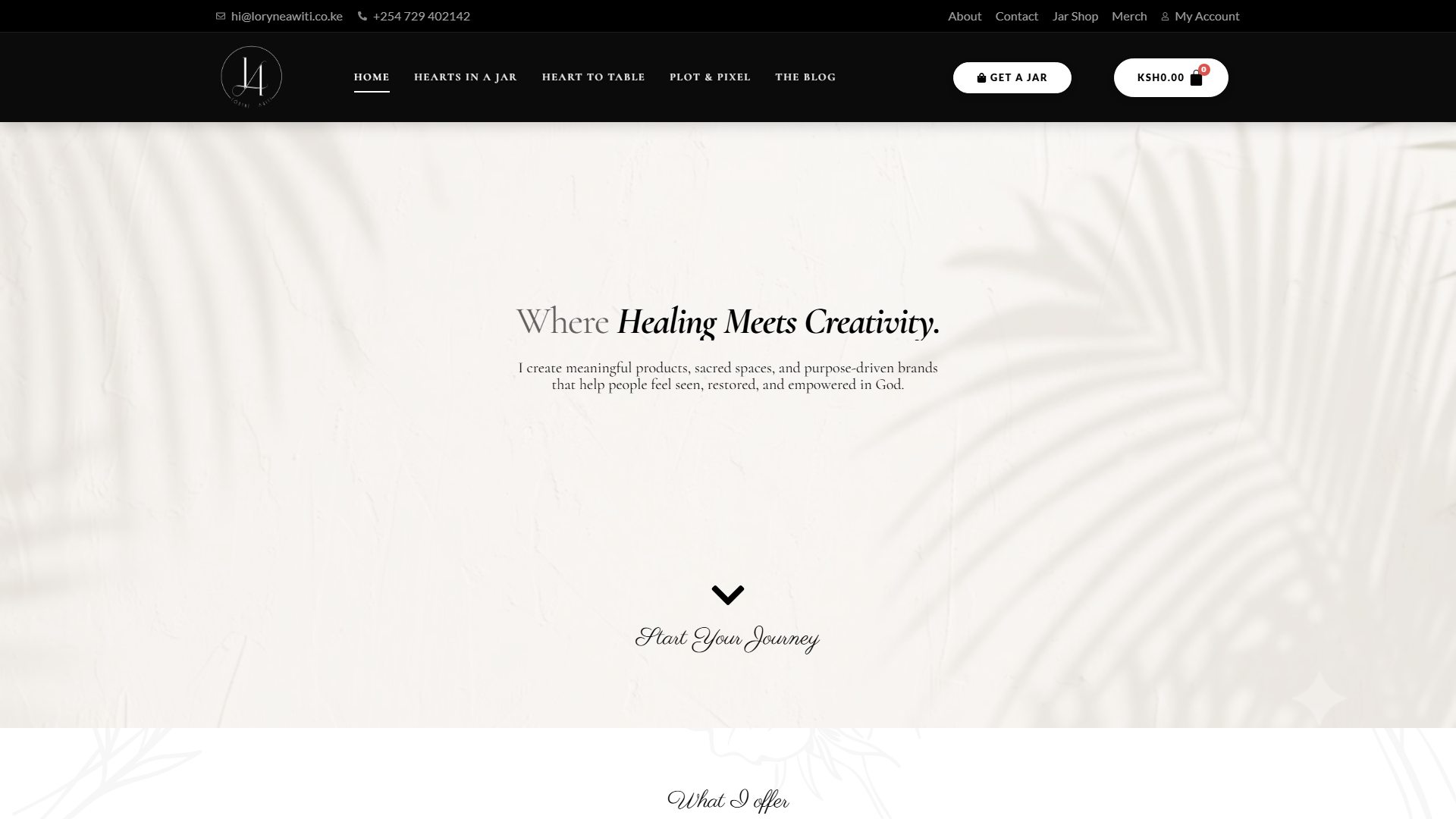
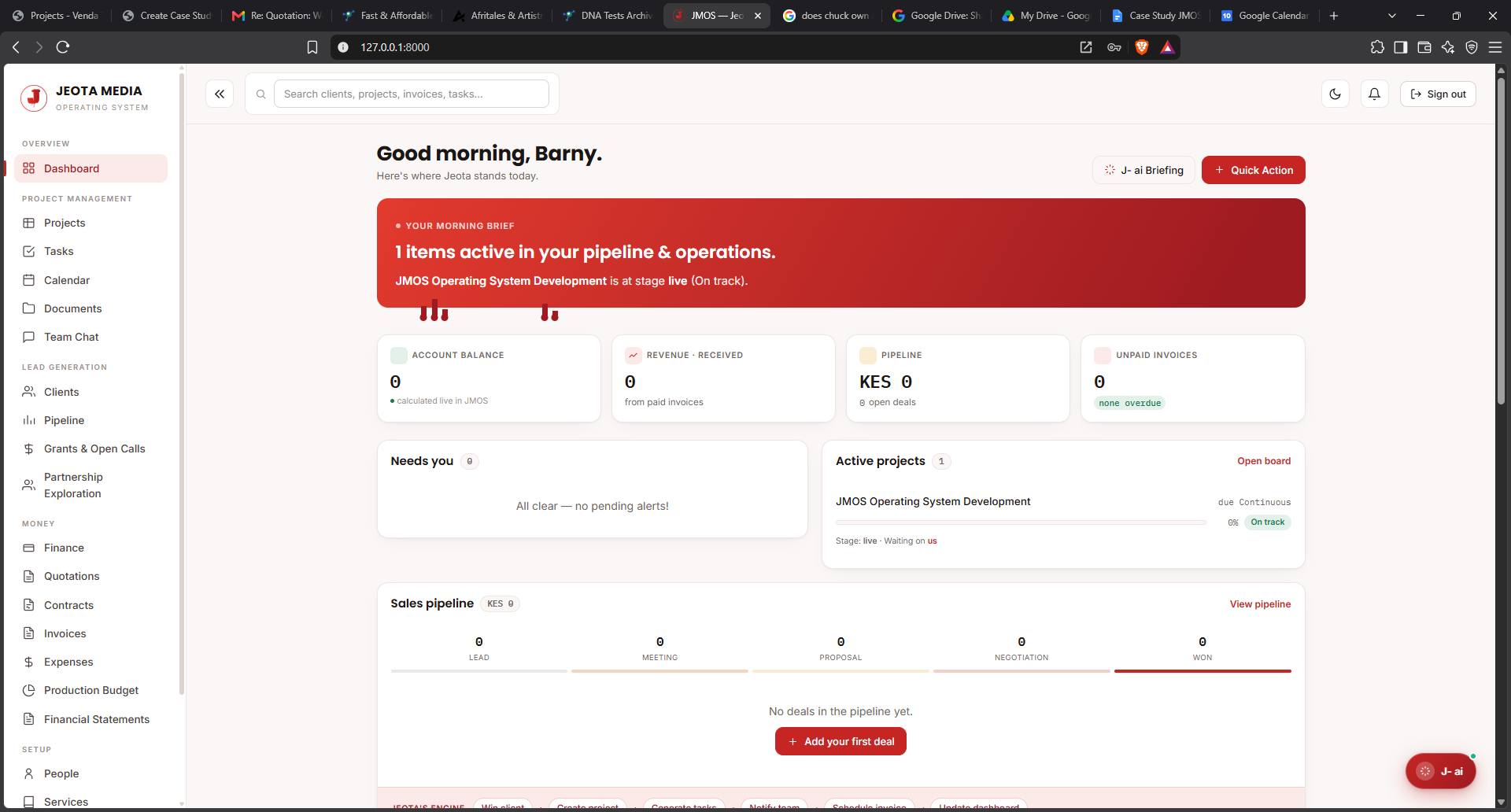
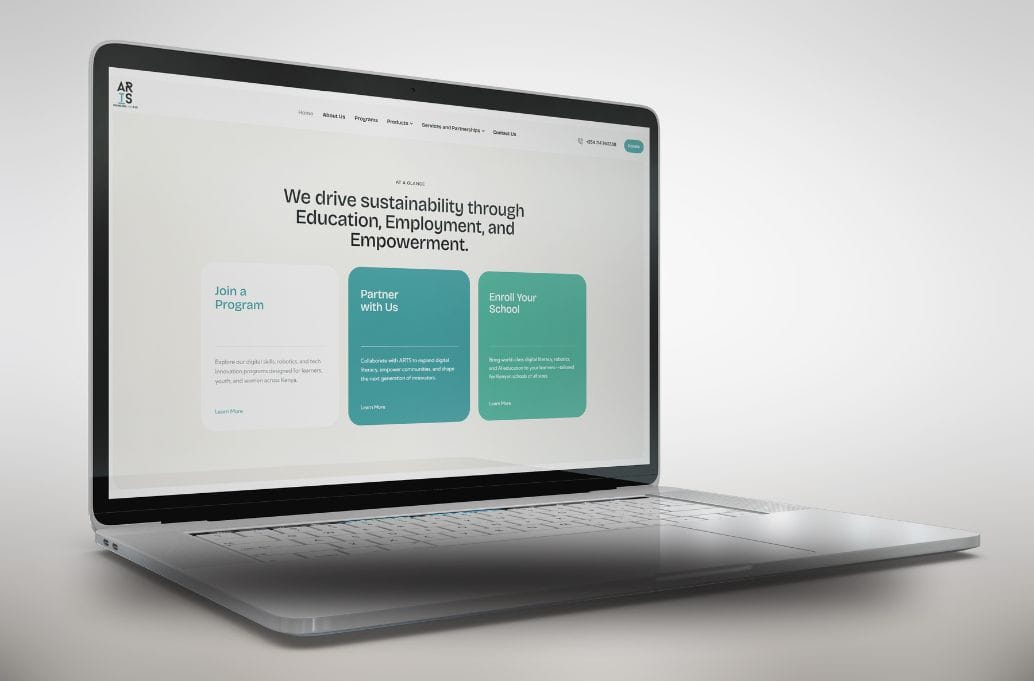

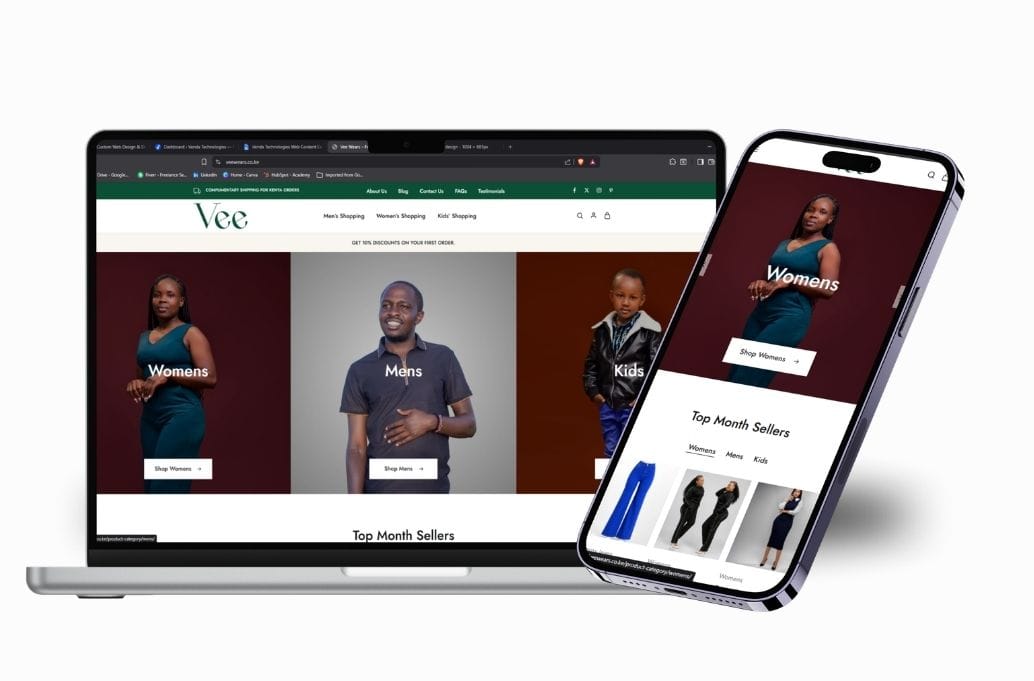
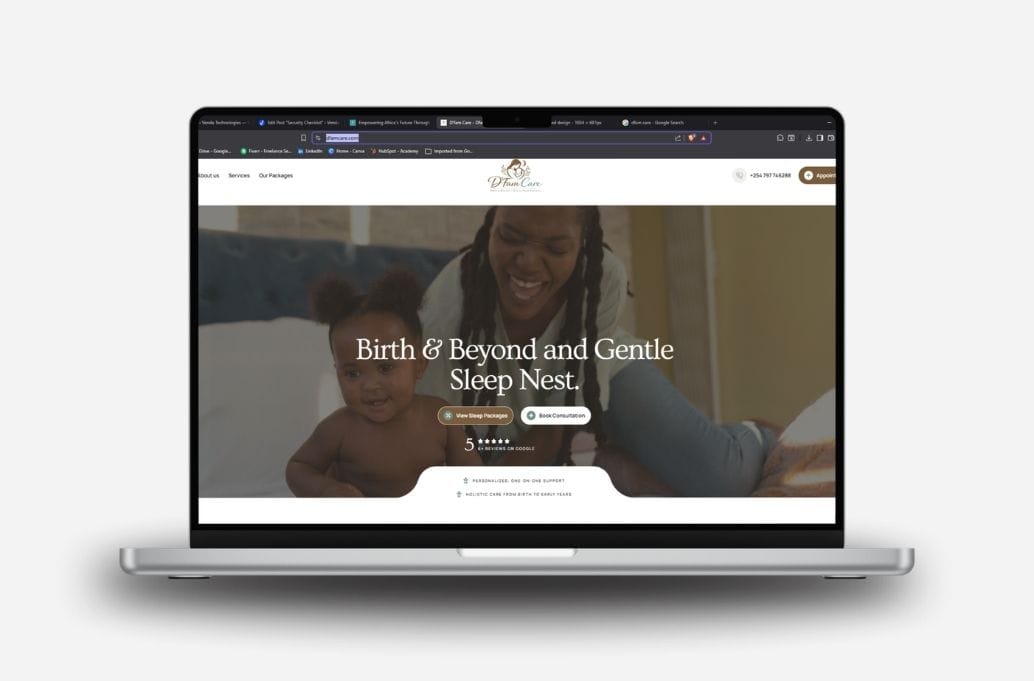
Why Venda for ai strategy & training
We don't only advise on AI; we build chatbots, automations and AI features for clients, so our recommendations are grounded in what is practical to deliver and maintain. We speak plainly, including when the best answer is "don't use AI for this". Our training uses your own documents and tasks, so staff leave with skills they can use the next morning.