Optimizing Your Website for AI Search Engines: The 2026 Guide to GEO

Table of Contents

The search bar has fundamentally changed. We are no longer just optimizing for ten blue links; we are optimizing to be the authoritative answer generated by tools like ChatGPT, Perplexity, Gemini, and Google AI Overviews.

This new frontier is called Generative Engine Optimization (GEO).

typeelementorsiteurlhttpsdevopswebdesigners.co .kewp jsonelementsid000bc61elTypesectionisInnerfalseisLockedfalsesettingspaddingunitpxtop0right0bottom0left0isLinkedfalsep 1

At Venda Technologies, I engineer digital growth for ambitious brands across Nairobi and beyond. I have watched traditional SEO evolve into a complex ecosystem where raw clicks are declining, but brand visibility within AI responses is skyrocketing. If your website is not structured for machine readability, your brand simply disappears from the conversation.

Here is my ultimate, 2026-aligned blueprint for future-proofing your digital presence.

1. Move From SEO to GEO

Traditional SEO focused on winning a user’s click. Generative Engine Optimization focuses on being cited as the absolute source of truth.

Modern AI search engines rely on a framework called Retrieval-Augmented Generation (RAG).

  • Retrieval: The AI aggressively crawls the web to extract facts, data points, and structured information.
  • Generation: The AI synthesizes those extracted facts into a conversational, direct answer.

To win in 2026, you are not competing for an arbitrary page rank; you are competing to be the primary citation embedded in that AI-generated summary.
images 1

2. Engineer Content for Machine Readability

AI models do not read your website the way humans do; they ingest it in modular chunks. If an AI crawler cannot easily parse your content, it will bypass you for a competitor.

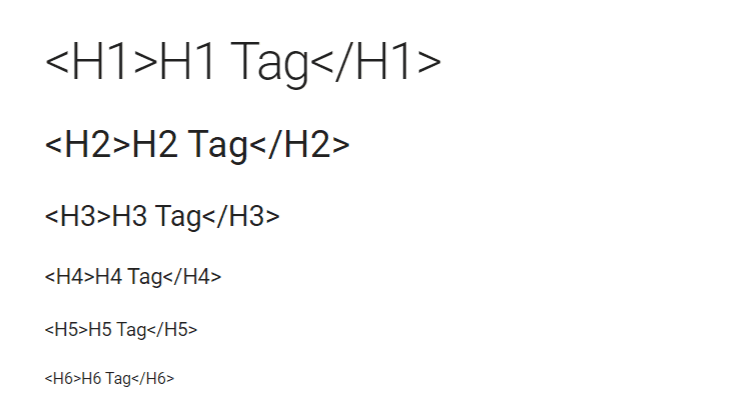
  • Semantic HTML Structure: Use strict hierarchical headings (H1, H2, H3) to define distinct topics. Do not use HTML tags solely for visual styling; use them to communicate structure.
  • Answer-First Formatting: Place the direct answer, key statistic, or core definition immediately after your subheadings. Do not bury the primary information under paragraphs of context.
  • Scannable Frameworks: Bulleted and numbered lists are highly extractable. Content utilizing structured lists, quotes, and hard statistics sees significantly higher visibility in AI responses.
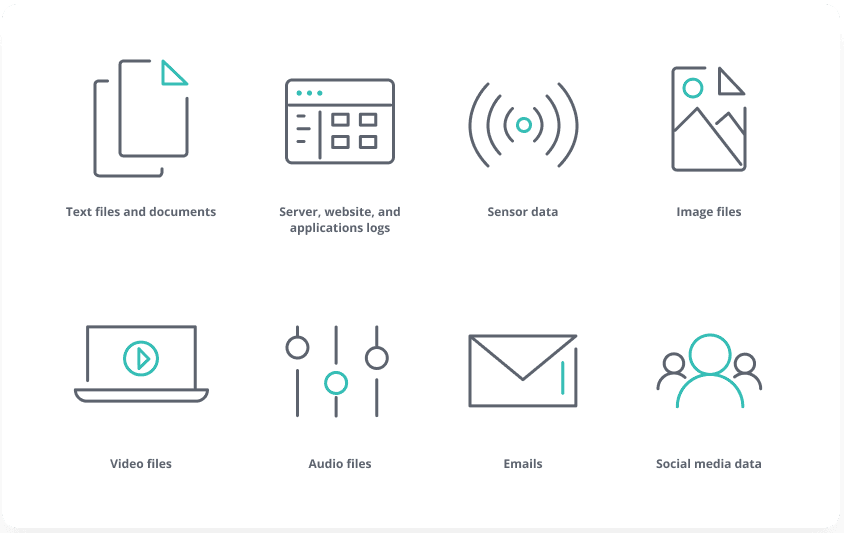
  • Avoid Hidden Elements: Keep core information out of PDFs, image-only infographics, or interactive client-side JavaScript elements that AI bots struggle to interact with.

3. Target “Fan-Out” Queries and Specific Search Intent

The days of targeting generic, high-volume keywords like “best CRM” are over. Users now ask complex, conversational questions.

  • Address the Fan-Out: When a user asks a complex question, the AI breaks it down into smaller sub-queries (known as fan-out queries) to gather precise data. Ensure your content addresses these granular, highly specific fragments.
  • Focus on the Bottom of the Funnel: Generative engines often answer broad “What is” questions entirely, resulting in zero-click searches that drive no traffic. Instead, focus on commercial intent, deep comparisons, and edge cases where users need specialized expertise before purchasing.
  • Topic Over Keyword: Focus on building deep topical authority and creating comprehensive content clusters rather than chasing isolated, vanity metrics.

4. Implement Robust Structured Data (Schema)

Schema markup is the direct, native language of search engines. It acts as a nutrition label for your website, telling the AI exactly what it is looking at without forcing it to decipher surrounding fluff.

  • Product and Review Schema: Essential for e-commerce platforms aiming to appear in AI-generated “Best Of” product roundups.
  • Article and FAQ Schema: Helps engines quickly extract your Q&A formats and verify your authorship and E-E-A-T (Experience, Expertise, Authoritativeness, and Trustworthiness) credentials.

5. Build Authority Beyond Your Domain

AI search engines do not solely evaluate your website; they evaluate what the rest of the internet says about you.

  • Publish Original Data: Brands that publish proprietary research, case studies, and unique data points are cited significantly more often by AI models. Be the primary source, not the echo.
  • Increase Brand Mentions: Secure citations and mentions on reputable third-party publications.
  • Community Presence: AI models actively scrape platforms like Reddit, Quora, and niche forums to understand real-world sentiment and consensus. Maintain an authentic, helpful presence in these active communities.

6. Monitor Your AI Share of Voice

Traditional metrics like organic traffic and Click-Through Rate are losing their overall dominance as KPIs. You need to adapt your reporting to measure GEO success.

  • Track Citation Frequency: Measure exactly how often your brand is mentioned or linked as a source within platforms like Perplexity, ChatGPT, and Google AI Overviews.
  • Monitor Brand Sentiment: Ensure the AI is describing your brand accurately to reduce the risk of AI hallucinations.
  • Utilize Dedicated Tooling: Platforms that track AI visibility are essential for identifying content gaps where competitors are cited as authorities and you are not.

Conclusion

The pivot to AI-driven search is not a distant possibility; it is a mandatory marketing discipline. Search algorithms are evolving into answer engines, and merely ranking well is no longer enough.

At Venda Technologies, I ensure your digital infrastructure is structured, credible, and ready for the generative web. Start optimizing now to build a platform that dominates this new ecosystem.

Share with your friends

From our blog

Articles & insights