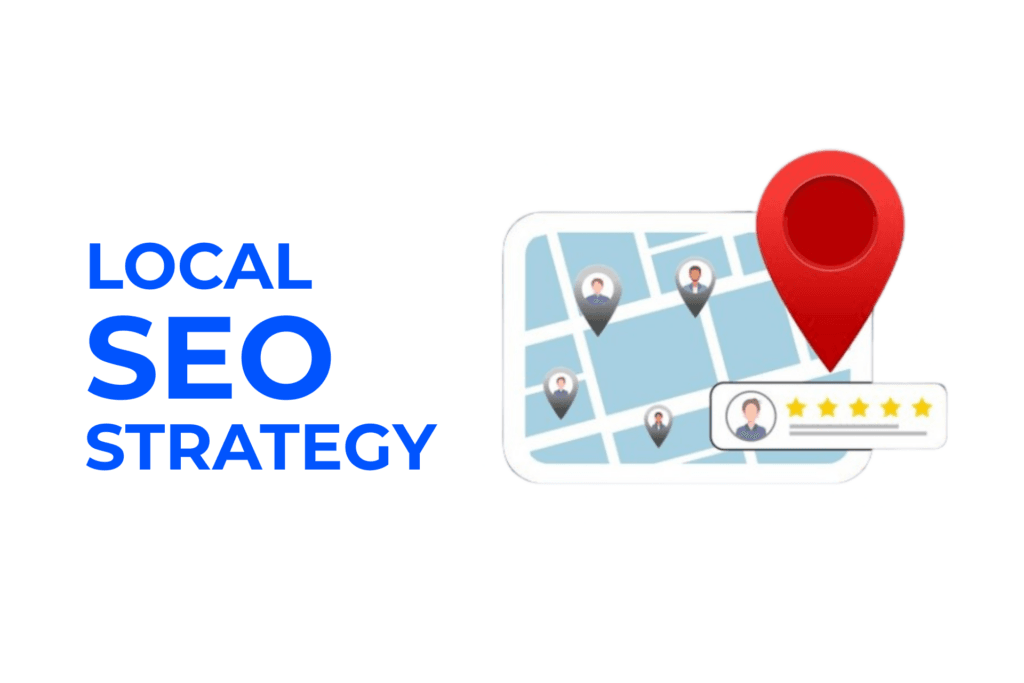
Operating in multiple cities or neighborhoods means your business needs a search strategy that scales. Simply putting a list of addresses on your homepage is no longer enough. To get customers through your doors—whether you are in Nairobi, Mombasa, or Thika—you need a deliberate multi-location local SEO strategy.
Search engines and AI tools evaluate every branch of your business as an independent entity. This guide breaks down exactly how to structure your digital footprint so that every individual location ranks.
Why Multi-Location SEO Matters
Direct Visibility: When users search for a service near them, search engines prioritize proximity and relevance. Optimizing each location ensures you show up in those hyper-local results.
High-Intent Traffic: People searching for location-specific services are usually ready to buy immediately.
Building Trust: Consistent, accurate information across different platforms proves to search engines (and customers) that your business is legitimate and active.
The Core Challenges of Scaling Local SEO
Managing SEO for one location is straightforward. Managing it for three, ten, or fifty introduces specific hurdles:
The Duplicate Content Trap: Using the exact same text for every location page and just swapping out the city name will cause search engines to ignore those pages.
Data Inconsistency: A slightly different phone number or address format on a local directory can confuse search algorithms and hurt your rankings.
Profile Management: Keeping hours, photos, and reviews updated across multiple Google Business Profiles requires tight operational control.
Step-by-Step Guide to Multi-Location Local SEO
1. Secure a Google Business Profile for Every Location
Your Google Business Profile (GBP) is the foundation of local search. You must create a distinct, verified profile for every physical storefront or office.
Name Accuracy: Use your exact, real-world business name. Do not stuff keywords into the title (e.g., use “Venda Technologies”, not “Venda Technologies Web Design Nairobi”). Keyword stuffing violates guidelines and can get your profile suspended.
Direct Linking: Link each GBP directly to that specific location’s landing page on your website, rather than sending all traffic to your main homepage.
Avoid PO Boxes: Search engines require a physical address staffed during business hours.
2. Build Unique Location Pages
If you want a specific branch to rank, it needs its own dedicated page on your website.
Genuine Local Substance: Search engines penalize thin, copy-pasted content. Make each page unique by including bios of the local team, photos of that specific office, and customer testimonials from that exact area.
Embed Google Maps: Add an interactive map to the page to reinforce the physical address and help users find directions easily.
Answer Local Questions: Include a Frequently Asked Questions (FAQ) section tailored to that specific market. This also helps your content surface in AI search summaries.
3. Standardize Your NAP Citations
NAP stands for Name, Address, and Phone number. This data must be identical everywhere it appears on the internet.
Establish a Single Source of Truth: Decide exactly how your address should be formatted (e.g., “Suite 4” vs. “Ste. 4″) and use that exact format across your website, social media, and local directories.
Build Local Mentions: Submit your business to trusted local directories, industry associations, and local chambers of commerce.
4. Optimize for Local Search Intent
Instead of focusing only on broad terms, target the specific phrases people use in their immediate area.
Use Natural Modifiers: Optimize your headings and text for natural phrases like “custom software development in Nairobi” rather than just “software development.”
Prepare for Voice Search: People often speak their searches as full questions. Write your content to clearly answer questions like, “Who provides the best web design in Thika?”
5. Create a System for Reviews
Reviews are a primary ranking factor for the local map pack. Search engines look at your average rating, the total number of reviews, and how often you get new ones.

Ask Consistently: Set up a system to ask for reviews immediately after a service is completed or a product is purchased.
Respond to Everything: Reply to all reviews—both positive and negative—promptly. This shows active engagement, which search algorithms favor.
6. Implement Local Business Schema
Schema markup is backend code that explicitly tells search engines exactly what your business does, where it is located, and when it is open. Adding LocalBusiness schema to each location page ensures AI models and search crawlers can extract your data without guessing.
Common Mistakes to Avoid
Ignoring Mobile Users: The vast majority of local searches happen on phones while people are on the move. Your location pages must load quickly and display perfectly on mobile screens.
Setting the Wrong Service Area: If you hide your address and set a service area that covers the entire country, local search algorithms will struggle to pinpoint your exact relevance. Keep service areas realistic.
- Connect with Customers in Your Area Local SEO Services in Kenya
- 5 Essential Steps to Secure Your Business Website
Final Thoughts
Ranking multiple locations requires moving away from shortcuts and focusing on building genuine, localized authority for every branch.
If you are struggling to manage your search visibility across different regions, the team at Venda Technologies can help. We build custom, SEO-optimized digital architectures designed to scale as your business grows.